

FAIR PLAY
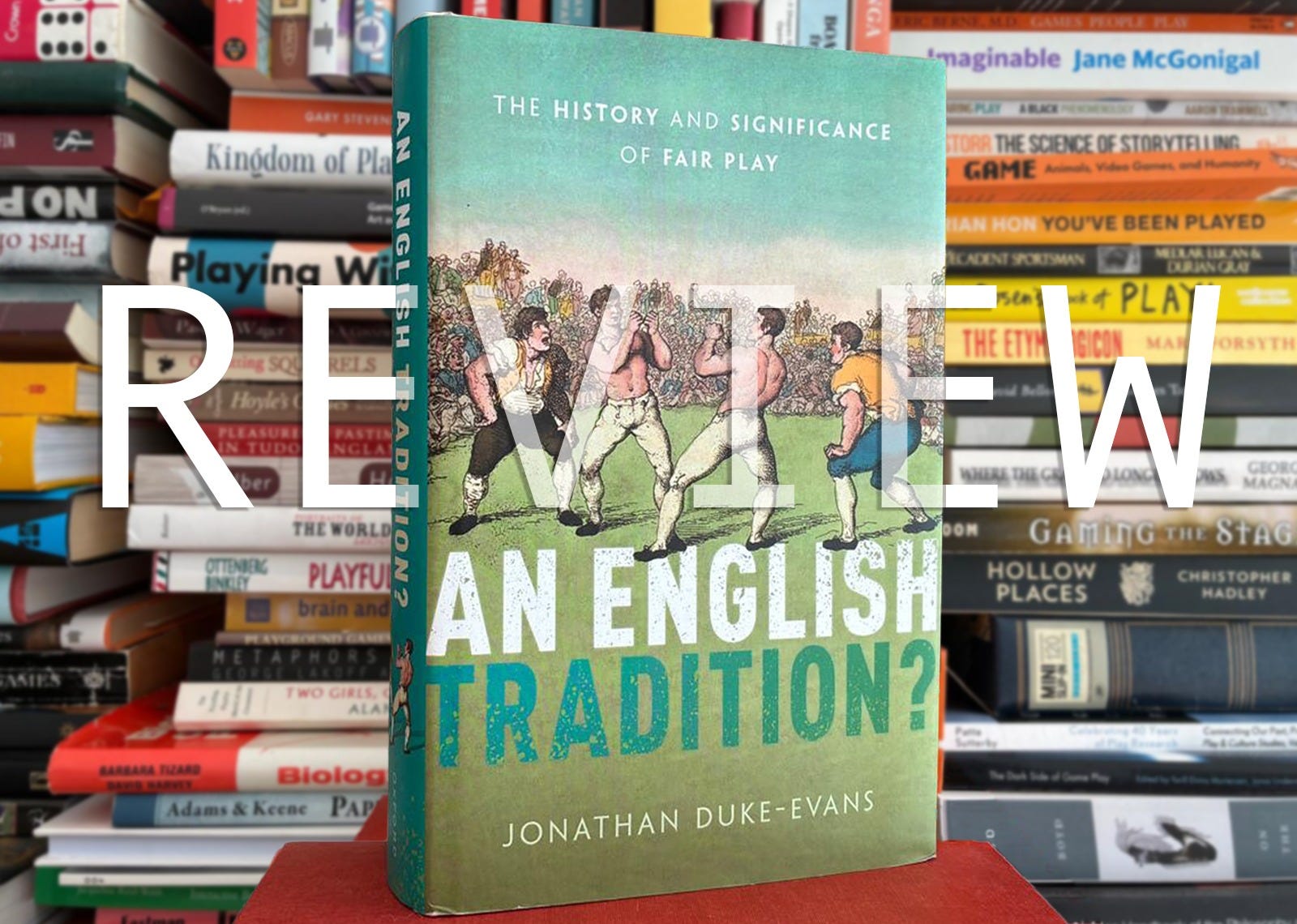
Harry Pearson reviews An English Tradition? The History and Significance of Fair Play by Jonathan Duke-Evans

The most surreal moment in my life as a chronicler of professional sport came at the Stade Gerland, Lyon in June, 1998. It was the end of a monumental World Cup match between the USA and Iran. The game had been dominated by loud protests from exiled Iranian supporters against the regime in Tehran. At the final whistle French riot police began to gather across the front of the South Stand where the bulk of the demonstrators – many of them women - had congregated. Tear gas was fired and a group of the special stewards armed with shields and truncheons began to shove and beat the crowd back towards the exits. In the midst of the violence a jovial announcer came on the stadium public address, as he did after every game. He thanked us all for coming, for making the game such a special occasion and reminded us that “Today is Fifa Fair Play Day”. When the message ended, a writer from The Daily Telegraph turned to me with a bitter smile. “It’s like Hunter S. Thompson said: “Who needs drugs when reality’s this twisted?””
That football’s notorious ruling body Fifa (an organization that – amongst copious other sins - banned the traditional post-match ritual of players swapping shirts because it offended the kit manufacturers who poured billions into its coffers) should have a fair play day at all is the sort of dark incongruity I suspect would not be lost on author Jonathan Duke-Evans.
For most of his working life, Duke-Evans was a civil servant. He was one of the people tasked with helping Sir Bernard Crick and his committee draft the 2005 UK citizenship test that is taken by immigrants hoping to brandish the cherished blue passport at foreign officials. Sir Bernard suggested that new Britons must demonstrate familiarity with “concepts of British political life: adherence to human rights; the values of toleration and fair play; freedom of speech and of the press; and open government”.
Unsurprisingly, Duke-Evans shares that ideal. He believes that “There is indeed in British culture a deep layer of attitude and customs which we group together under the heading fair play”. Yet despite that, as he demonstrates in this entertaining, wide-ranging and wryly humorous examination of the topic, he is not blind to the ironies and double-standards that trot alongside this most treasured and celebrated of our islands’ values.
That the British – or at least a strain of Briton - have been wise to this paradox for some while is clear. In 1705, for example, Daniel Defoe wrote, with a certain Georgian snarkiness: “England is particularly famous for the most generous way of Fighting in the World, I mean as to the common People’s private Quarrels, while the Dutch mangle one another with Knives, the Scotch Highlanders knock one another’s Brains out with Pole-Axes, the Irish stab with their skeins, and Spaniards with their Daggers; the English-men fairly box it out, and in this way of fighting the rabble stand by to see fair Play, as they call it, which is, that when a Man is down, ’tis counted foul Play, and the Trick of a Coward to strike him, but let him rise, and then have-at-him”.
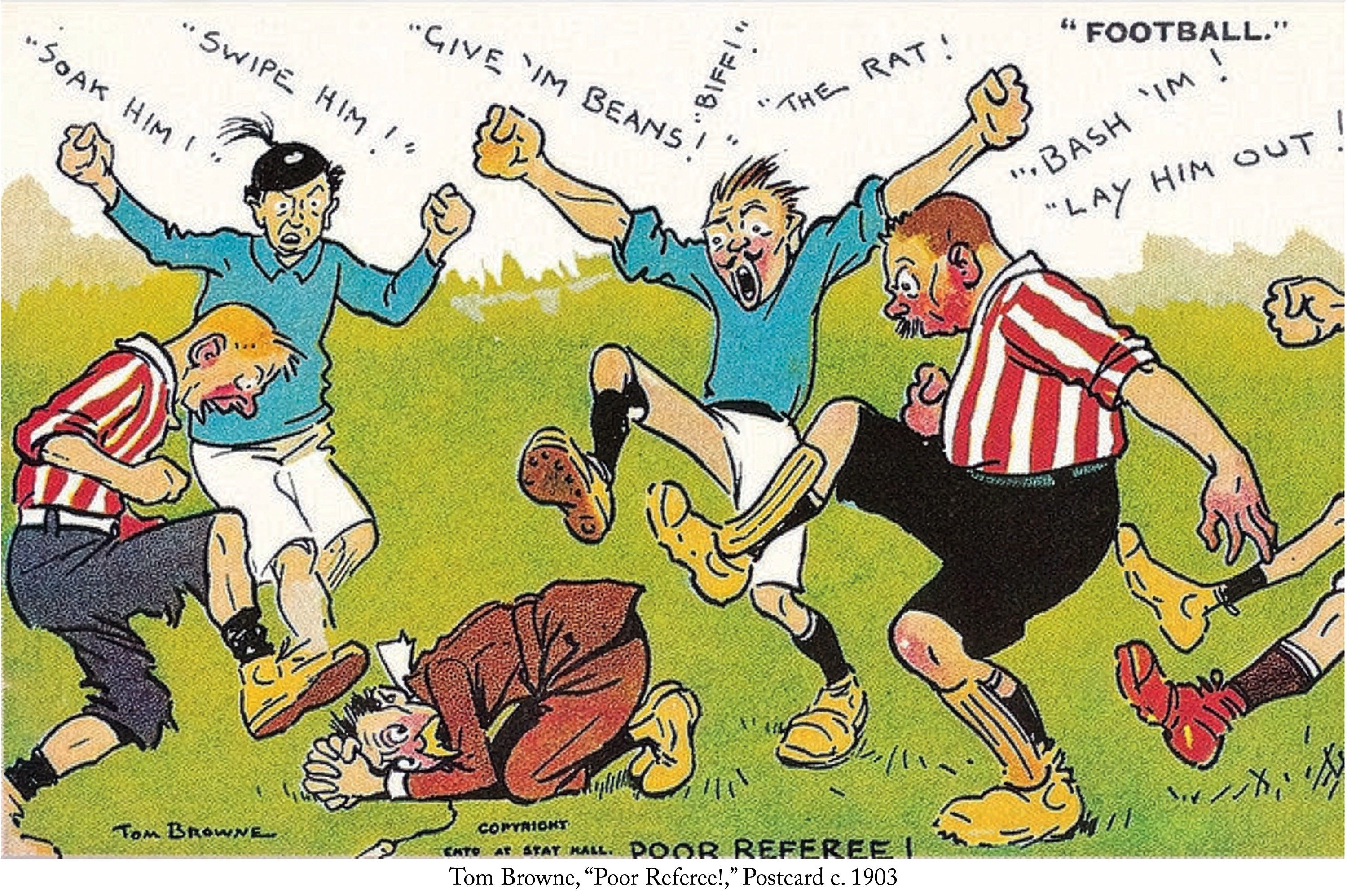
In the same year, William Machrie in an essay on cock-fighting insisted that in Britain “all Parties may have fair Play” (except presumably the fowl). Just where the line between fair and foul play was drawn was often hard to discern. Eighteenth Century English gentlemen denounced Spanish bull-fighting as unfair, but cheered as blameless hares were chased by pairs of greyhounds. A similar cultural rift would occur later in the global sport of football. For much of the twentieth century, British players, officials and spectators would regard a robust tackle that broke an opponent’s leg (such as Nobby Stiles’ crunching lunge at Frenchman Jacky Simon in the 1966 World Cup) as perfectly legitimate, while denouncing as a cheat any player who tugged a shirt to gain an advantage. In most of the rest of the world they took quite the opposite view.
Unconcerned by such apparent double standards, Town and Country Magazine informed readers that “foreigners are obliged to acknowledge the generosity which prevails even in the boxing bouts between our common people in the streets; the anxiety which every by-stander shews for fair play and the custom of the combatants in shaking hands, in token of being void of rancour, mark the temper of the nation … as experience has surely taught us, it is owing to this spirit among the common people, that our armies and fleets are rendered the terror of the world”.
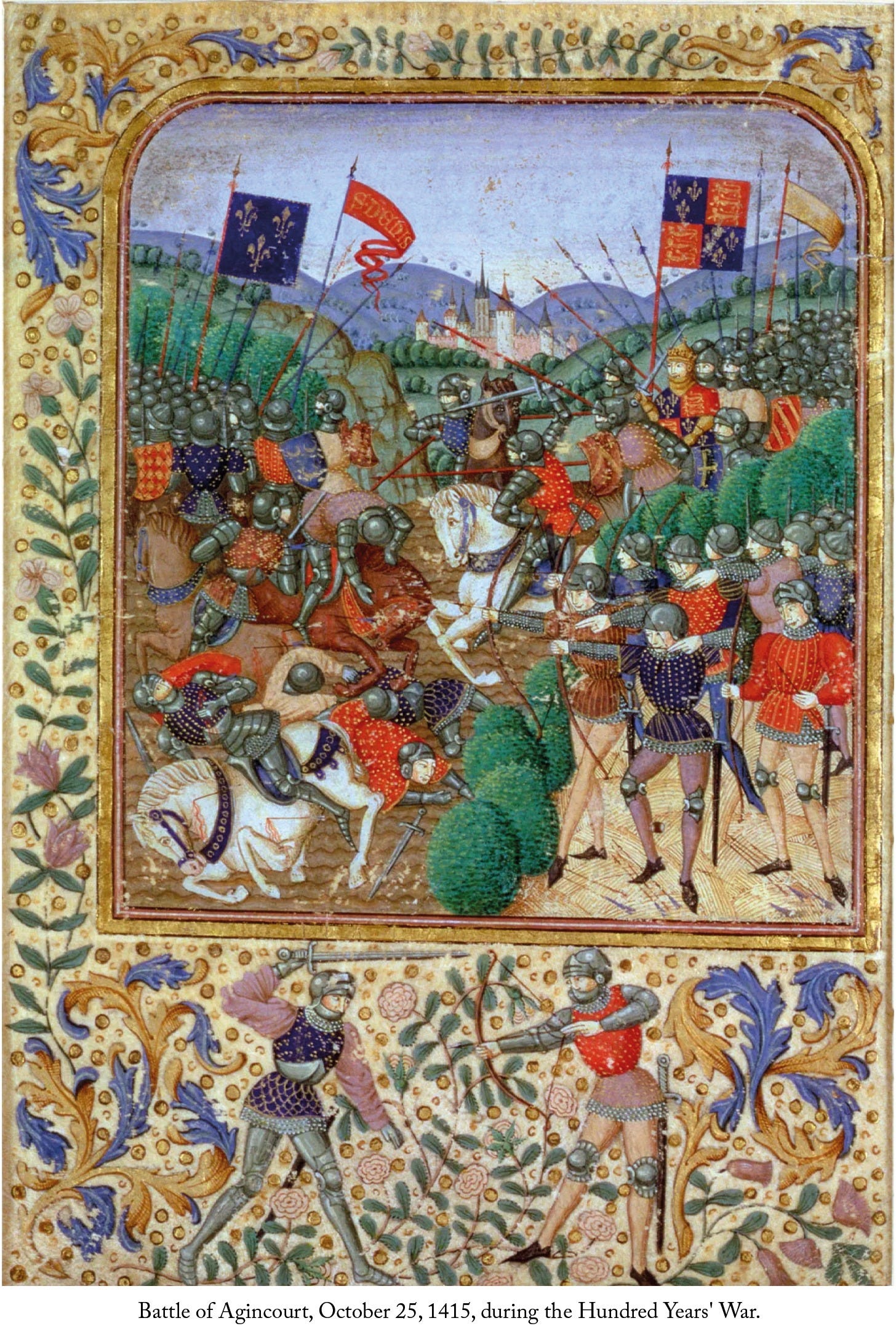
Ah, yes, for it was not only when playing games that the British insisted on honour and decency. They did the same, or so they claimed, in warfare, too. (The French begged to differ, denouncing the use of massed archers at battles such as Crecy and Agincourt as cowardly and dishonourable. But then, they would wouldn’t they?)
Sport is, according to Old Etonian George Orwell, “War minus the shooting”, so the conflation of combat and organised games is unsurprising. In British minds such thinking is largely traceable back to Victorian public schools, where games were used to train young men to take up the reins of Empire. Nowhere is this made plainer than in Sir Henry Newbolt’s patriotic poem Vitai Lampada (1892). In it a junior officer caught in the bloody mess of a colonial battle is inspired to decisive action by the recollection of a school cricket match and the advice of his skipper: “Play Up! Play Up! and Play the Game!”.
A vicar’s son who had attended Clifton College (where the Vitai Lampada cricket match takes place), Newbolt was a great champion of public school virtues and while employed as a propagandist during World War One wrote of “the moral qualities such as leadership and endurance and fair play, which are indispensable for war”. Quite what fair play meant in war is hard to discern. The battle in Vitai Lampada took place during the Relief of Gordon Expedition of 1884. During that campaign British soldiers used machine guns to mow down Sudanese warriors armed with swords and spears. In sporting terms it was the equivalent of a boxing match in which a heavyweight with horseshoes in his gloves pummels a jockey to the canvas.
Yet despite these clear discrepancies, the myth of English fair play on both the sports field and the battlefield was repeated endlessly by those who shouldered “the white man’s burden”. Robert Baden-Powell, “Chief Scout of All the World” told his followers that “If you see a big bully going for a small or weak boy, you stop him because it is not fair play”. That during his time as a British Army officer Baden-Powell had taken part in the Second Matabele Campaign in which 50,000 Africans were killed or wounded against 400 white settlers and soldiers, seems not to have impinged on that view at all. As Duke-Evans points out, the British Empire was built on “brutal unfairness committed by the strong on the weak”. The obsession with fair play amongst those who ruled it may have been motivated by subconscious guilt, but that seems unlikely.
And, to be fair (as sports people are fond of saying), it was not just the British who trumpeted their islands’ reputation for Fair Play. Pierre de Coubertin, father of the modern Olympics was a huge fan of English fair play, while Sicilian writer Giuseppe di Lampedusa praised the English public school system in which, “Compulsory sports in the open air in any weather prevent timidity and physical fear and train one for rapid decisions and teamwork”.
In the years following the end of World War Two, leading British football referees were routinely flown over to officiate in big matches in South America; the local Football Associations believing that our stalwart officials would not be swayed by passionate crowds, intimidation or surreptitious offers of gold watches and call girls. As one of the visiting refs, Yorkshireman Arthur Ellis would later observe high-handedly: “They [South Americans] must learn sportsmanship and we must teach them”.
So what exactly is fair play? Duke-Evans identifies six key ingredients including: not seeking advantage by cheating, respecting people’s entitlements, sporting courtesy, sympathy for the underdog, and refusing to grass to the authorities (no holding up of imaginary yellow cards for our lads and lasses). At the heart of fair play is mutual recognition of the moral equality of competitors which in sport, at least, can be enforced by laws or rules and, if necessary, the prevention of mismatches by the introduction of such things as weight and age divisions. As French author Jean d’ Ormesson wrote, “Fair play allows us to declare that sport shall not become a manifestation of brutality.”
Fair play can trace its origins to the birth of the English language. In Beowulf, our hero resolves to take on the monster, Grendel in single combat. He tells his comrades that he will not use his sword as Grendel doesn’t have one, and they must fight on equal terms. The point of fair play here is to establish not just physical, but moral superiority. As many British sports people have been advised down the centuries – the cheat only fools him or herself. Though this did not seem to bother Diego Maradona much. Indeed the great Argentinian’s infamous hand-ball goal that contributed to England’s defeat in the 1986 World Cup quarter-final is arguably even more celebrated in his own country than his brilliant dribble and finish in the same match. In some cultures guile, craftiness and cunning are highly prized virtues, a means by which the weak and powerless can overcome the oppressive giant.
After some ambiguous appearances in English poetry from the early fifteenth century, the phrase “fair play” acquired its modern meaning in the Elizabethan era. The Tudors deployed it across class boundaries to discuss everything from fighting and skittles through card games and religious disputes. The seventeenth century saw the concept entrenched in the national consciousness.
There’s no British monopoly on fairness, of course. The ancient Romans had strong ideas about fair play in their chariot races, and the idea of chivalry – a French creation – required knights to fight honourably. But it was in England, and because of the distinctiveness of English society, says Duke-Evans, that the code of chivalry was first applied to people below the rank of the knights and their ladies.
Chivalry shaped our notion of fair play, yet it would be wrong to think that the medieval knight lacked a sports person’s ego. Characters such as Sir Gawain were more or less entirely motivated by personal honour. The single-minded pursuit of the Holy Grail by the Knights of the Round Table resembles a fighter’s quest for a championship belt. It is selfishness rather than selflessness that defines men like Sir Lancelot. His competitive need to exceed the feats of his comrades makes Cristiano Ronaldo look like Saint Francis of Assisi. This, as Duke-Evans, suggests is the paradox of fair play - it can exist only within the context of intense competition governed by strict rules. Fair play is only truly important when it is least expected.
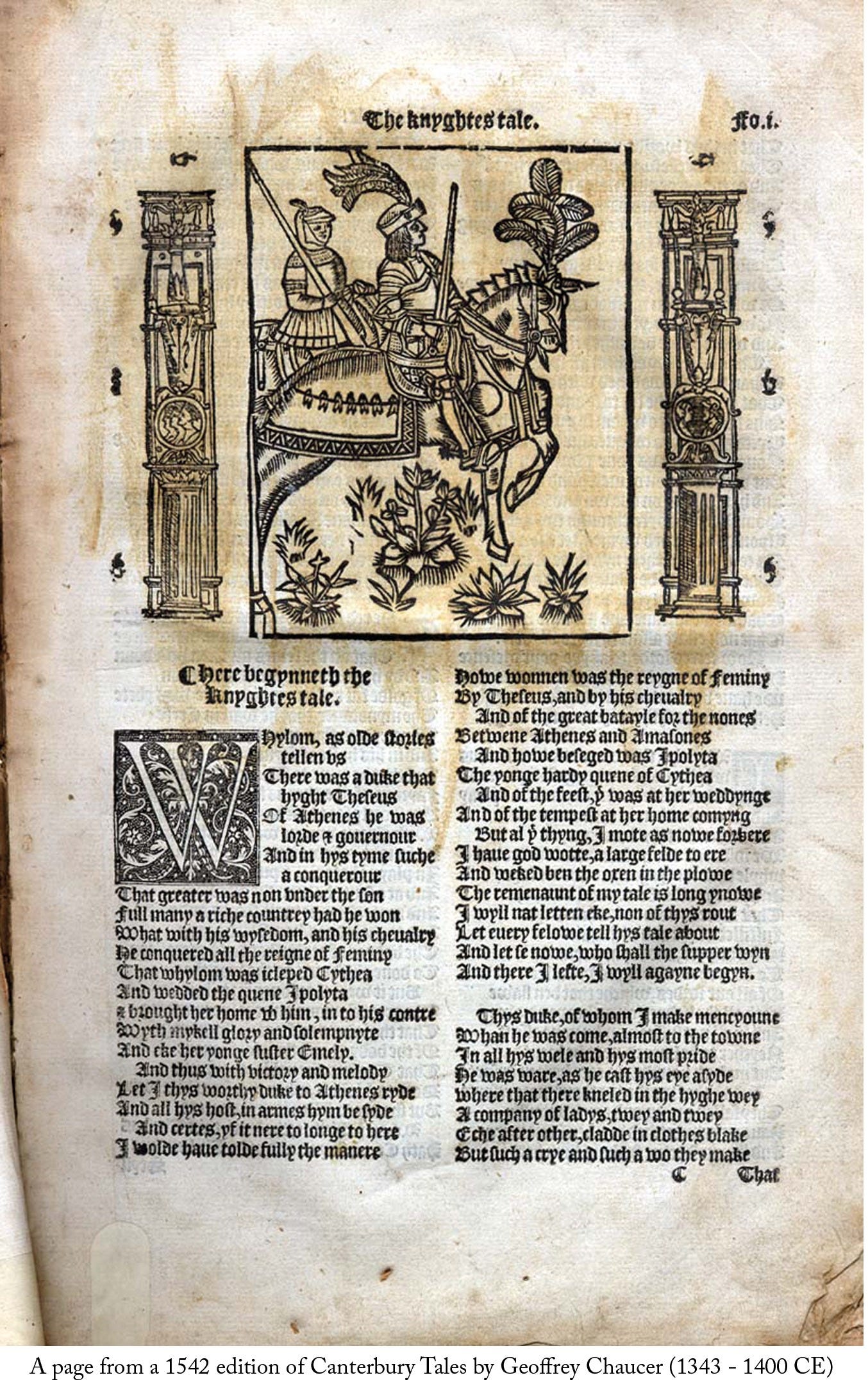
In chivalry practically any advantage was considered an unfair one. Echoing Beowulf, Arcite, the knight of royal blood in Geoffrey Chaucer’s The Knight’s Tale, dons the worst armour he can find, so as not to gain a leg up on his rival. At times in British sport it has seemed that Arcite’s view of armour has also been applied to things such as skill and strategy, with foreign opponents who excel in those areas portrayed as somehow tricky and underhand. The English national football team’s steadfast refusal to learn anything from the 6-3 and 7-1 hammering by the Hungarians in 1953 and 1954 was surely the result of an ingrained belief that the use of innovative tactics was essentially a form of cheating.
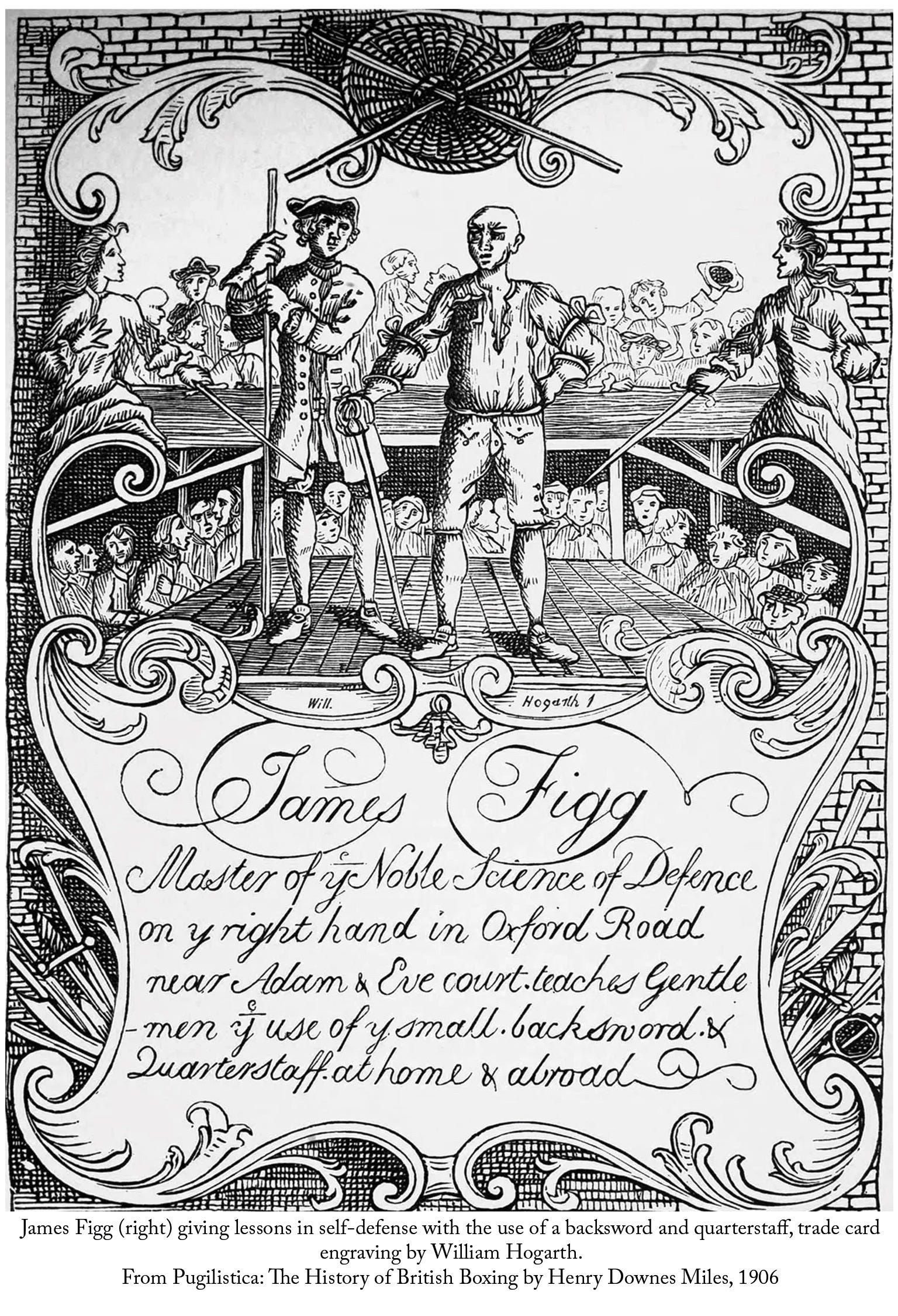
The notion that fair play originated in the public schools celebrated by Newbolt and Lampedusa, is understandable, but, as Duke-Evans shows, erroneous. While sports such as rugby and football were codified by public schoolboys, cricket, the game perhaps most associated with British Corinthian values, actually had very different origins. The modern game was developed not by muscular Christian followers of Thomas Arnold and his ilk, but by John Nyren, a publican, and the professional working class players of Hambleton in the closing decades of the eighteenth century. Boxing, too, had rules and champions (prizefighter James Figg, a friend of William Hogarth, whose glory years were in the 1720s has a claim to be Britain’s first genuine sports star) long before the sport became a staple test of gentlemanly virtues at schools such as Eton and at Oxford and Cambridge Universities.
The lazy trope that sports were made respectable by the intervention of people from higher up the social ladder does not pass unchallenged by Duke-Evans either. Nor does the apparent gap between the public pronouncements of fair play and their private behaviour. The aristocrat most associated with boxing – its most famous set of rules were named after him - is Oscar Wilde’s nemesis, the 9th Marquess of Queensberry. Queensberry was an appallingly violent bully, detested by just about everyone in polite society. His wife divorced him on grounds of adultery and he died aged 55 partly as a result of syphilis. Measured against the values espoused by Henry Newbolt you might say he fell short.
No matter how administrators attempt to legislate it into existence, fair play will always be a nebulous concept that simply “abiding by the laws or rules of the game” does not cover. Broadly speaking, it is always others who cheat. The haughty amateur Douglas Jardine – product of Winchester and New College, Oxford - was quite happy to deploy vicious and dangerous Bodyline bowling against the Australians in the 1932/33 Ashes series. When Australia’s captain Bill Woodfull – who had been felled by a ball that struck him at 90mph just above the heart - complained that “There are two teams out there: one of them is playing cricket and the other isn’t”, Jardine coldly dismissed it as the whining of the defeated - he had broken no laws. Yet when the West Indies deployed similar tactics against England in the 1970s and 80s, English observers bemoaned it as dangerous and unsporting. For the West Indians, whose ancestors had been transported to the Caribbean on British slave ships, the protests were laughable.

After its high point in the rhetoric of public figures during the Victorian and Edwardian era, fair play begins to fall out of use after World War One, buried in the mud of the Western Front. Yet that is not to say it does not still echo through British life. Reviewing the excesses of Boris Johnson’s time as Prime Minister, Sir Keir Starmer proclaimed himself “committed to values which earn Britain respect all around the world – fair play, respect for difference, the rule of law”.
Whether the rest of the world actually thinks of Britain as a land of fair play, or simply regards our nation as home to a smug and perfidious bunch of two-faced hypocrites is another matter entirely. Having watched international sport on four continents, I think I know the answer.
Your very enjoyable article brought to mind the idea of gentlemanly ‘fair play’ in mountain climbing based on the ‘Corinthian spirit.’ Any reliance on scientific research and knowledge was viewed as underhand. Historically, true fair play meant climbing without bottled oxygen, excessive Sherpa support, or pre-fixed ropes (the "alpine style").
Dr Griffith Pugh, was scientific advisor to the first successful ascent of Everest in 1953.
The 40th anniversary celebration of this successful climb was at the Royal Geographical Society in 1993. Among the tributes, Dr Pugh’s name was not mentioned until Michael Ward, the expedition doctor, told the audience that the attempt on the summit would have failed, like all previous climbs, if it had not been for the application of scientific findings made by Dr Pugh. He was the ‘unsung hero’ of Everest.