The earliest literary reference in English to ‘playing Devil’s advocate’ can be found in a 1760 publication with the jaunty title The Impostors Detected or the life of a Portuguese, in which the Artifices and Intrigues of Romish Priests are humorously displayed. The phrase appears in a story about a priest who gave a sermon about lewdness, with lots of graphic details of the sin, followed by lurid descriptions of the punishments awaiting the sinners, including fire, brimstone (of course) and snakes. Another priest then rose to ‘play the true part of the Devil’s advocate’, arguing that sexual desire surely was not so inexcusable if the good Lord himself had allowed ‘concupiscence’ to remain after baptism. If the congregants’ minds were wandering confused at that point, they were sharply brought into focus when the priests produced a goat – a symbol of lechery − dressed in women’s clothes. Slathered with a combustible paste, the goat was then set on fire and charged around the church in agony before plunging into cold water and expiring.
Despite this not-so-humorous display of priestly artifice, ‘playing Devil’s advocate’ established itself in the English language and continues to this day in frequent idiomatic use. It is a helpful device if you want to disagree with what has just been proposed in a meeting, especially when a consensus seems to be about to emerge. ‘Just to play Devil’s advocate’ is a polite, or at least faux-polite, way to begin an intervention, rather than launching immediately into an evisceration of your colleagues’ arguments. It allows them to execute a graceful change of mind, in a way that a blunt attack on their views would not.

Naturally the phrase can be heard often in bureaucratic discourse. Fans of Yes, Minister will have no difficulty picturing Sir Humphrey Appleby dealing with the latest inconvenient idea from James Hacker MP with the words, ‘Yes, Minister, but just to play Devil’s advocate…’
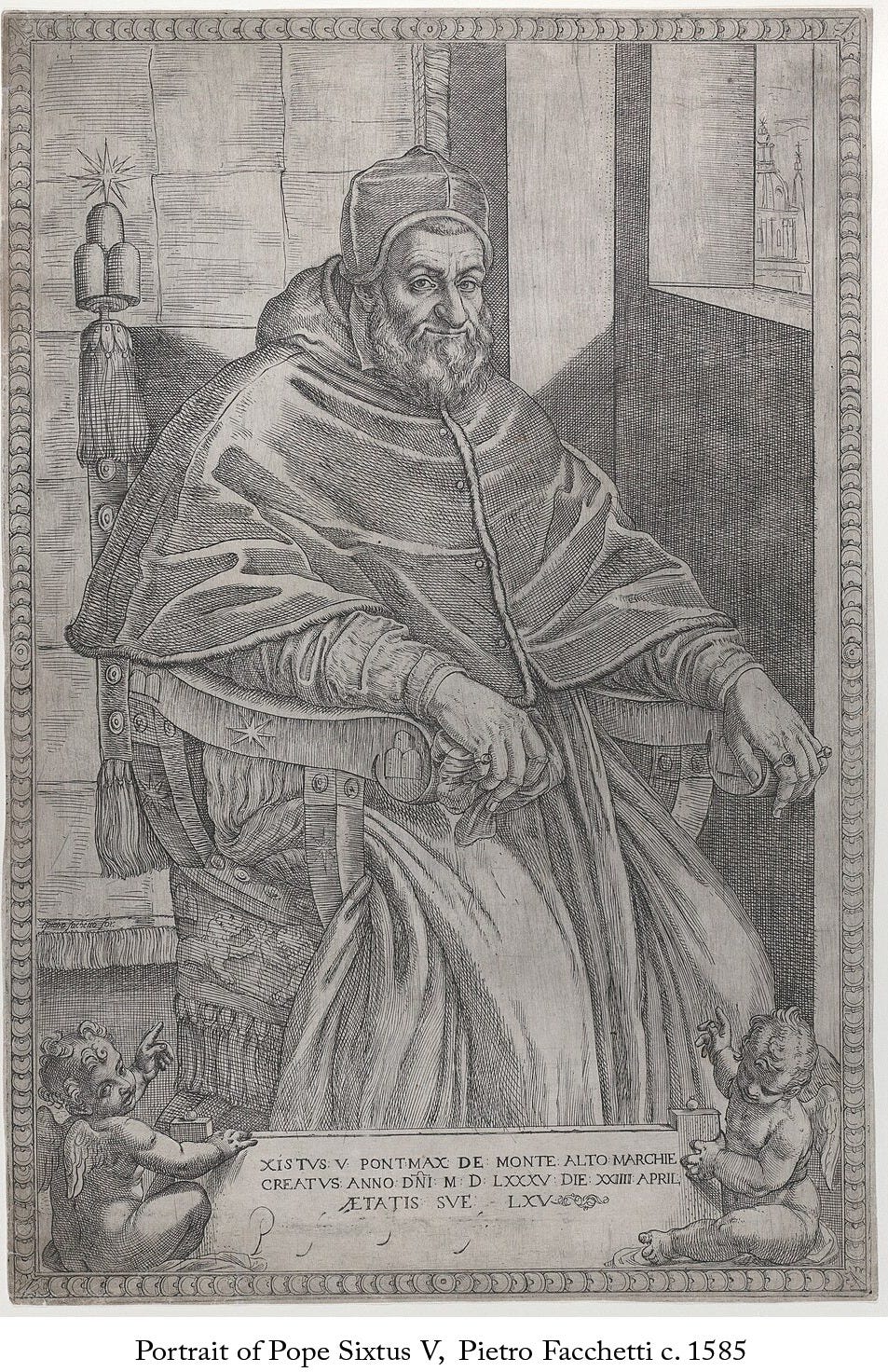
Idiom aside, the Devil does actually have an advocate, or at least he did. References to diaboli advocatus in Vatican documents go back to the early 1500s. Shortly thereafter, in 1587, Pope Sixtus V (sadly there has not yet been a Sixtus the Sixth) created an official position called the Protector of the Faith, but widely referred to as the Devil’s advocate. His job was to question the credentials of candidates for sainthood, consider arguments against their elevation, and ensure that candidates were truly worthy before letting their candidacy go forward.
It is often claimed that Pope John Paul II abolished the position in the 1980s, but this is not strictly true. The job still exists, albeit without the power it once had to block the progression to sainthood. The current incumbent is a Spanish priest, Monsignor Alberto Royo Mejia. In an interview published by the Catholic News Agency in May 2024, he described his role as one of investigation ‘to discern the will of God’. His correct title is Protector of the Faith, but the CNA article was entitled ‘Meet the Modern-Day Devil’s Advocate’.
John Paul made the change in order to streamline the canonisation process, which had often taken a long time to complete. And streamline it he did. Indeed, it may fairly be said that he became the Henry Ford of saint manufacture, with no fewer than 482 coming off the assembly line during his 26-year pontificate, more than all those produced in the preceding 900 years. One of them was Mother Teresa.
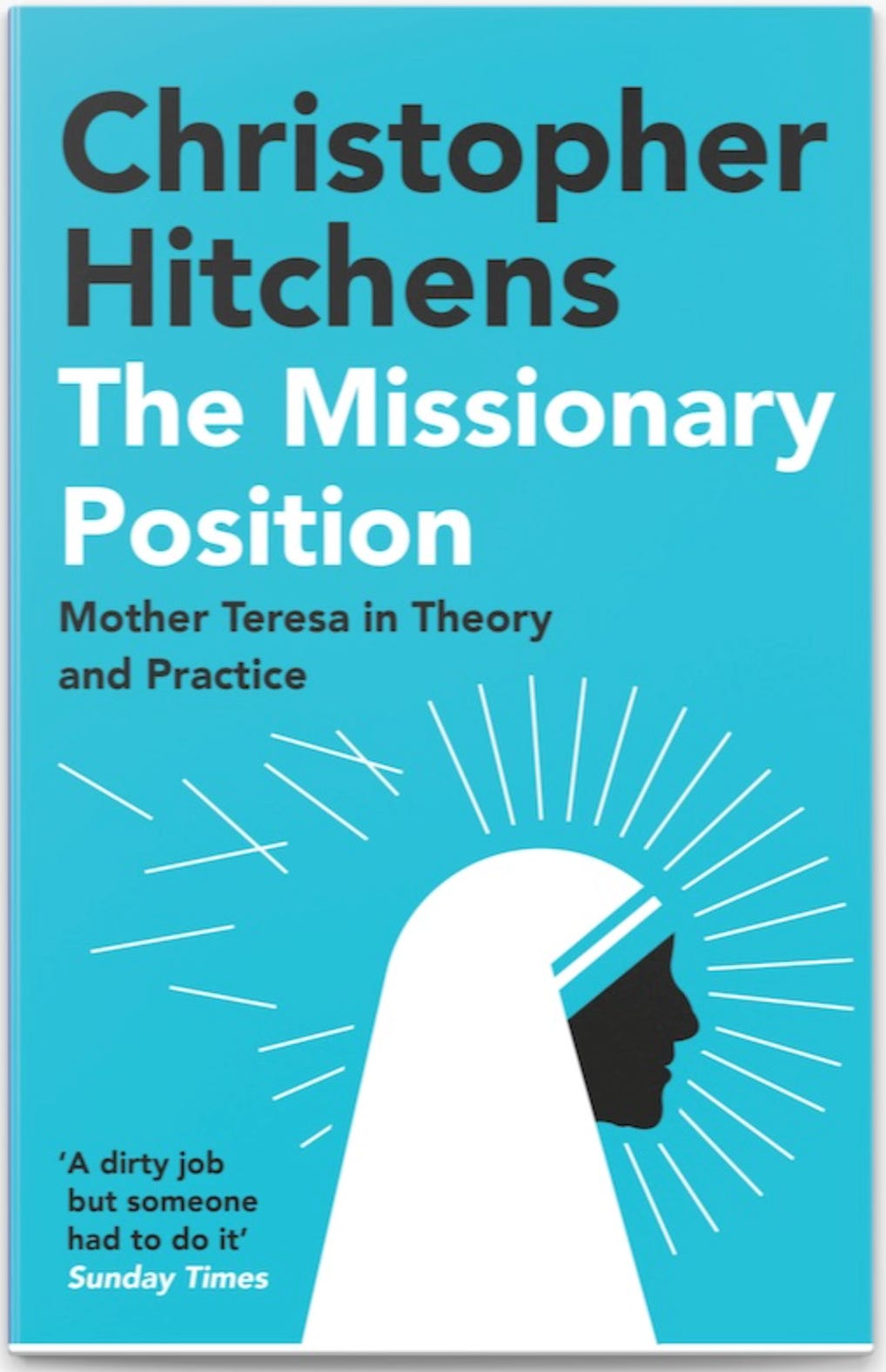
In appointing an advocate for the Devil, the Vatican has acted as many authoritarian systems have done over the centuries and still do – selecting a lawyer to represent opponents of the regime. The outcome is predictable. It was, therefore, slightly surprising when the Vatican invited the late Christopher Hitchens to present arguments against the canonisation of Mother Teresa in 2002. Hitchens was a prominent and formidably articulate scourge of religious humbug and hypocrisy, and by his own description not merely an atheist but an antitheist. Many Catholics may well have thought that he truly was the Devil’s advocate, if not the Devil himself. But it would have been hard to ignore him on the subject of the little Albanian nun. He had published a book titled The Missionary Position in 1995, which detailed, among other things: her support of the notorious Duvalier dictatorship in Haiti; her acceptance of stolen money from Charles Keating (America’s largest fraudster before Bernie Madoff); her attempt to influence the judge presiding over his trial; and her failure even to reply when the Los Angeles District Attorney asked politely for the funds to be returned to the small investors who had lost their life savings; her opposition to any kind of poverty alleviation through family planning; and her denial of pain medication to dying cancer patients, claiming that their suffering was God’s embrace. Needless to say, Hitchens’ Devilish advocacy was brushed aside. The relentless assembly line kept rolling along towards canonisation.
John Paul II’s impressive productivity gains were significantly surpassed by Pope Francis, who canonised 942 saints in the seventeen years of his pontificate. Pope Leo XIV has canonised 9 saints to date, including the first millennial, Carlo Actus, who has been described as ‘the gamer saint’ due to his love of playing video games during his short life.
Royo, the aforementioned Protector of the Faith, has clearly been at best a very modest speed-bump, perhaps losing more games than he has won while playing Devil’s advocate.