

Playing Games
Leslie Scott, games designer and curator of Boundless Play, argues that games are Rules-Bound Play.

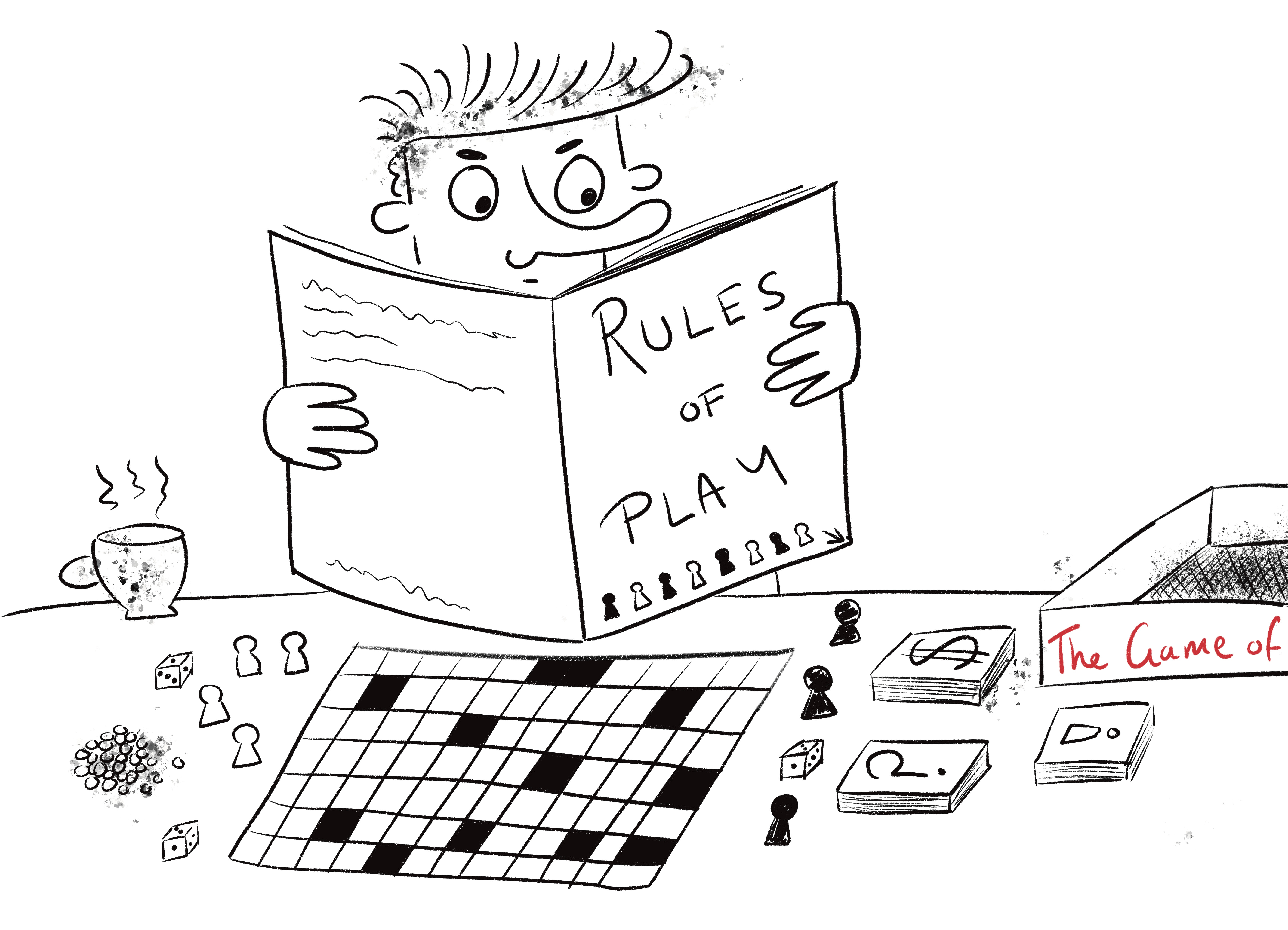
We play games, so it should follow that the very purpose of a game is to provide a pre-packaged set of possibilities that allows us to experience play. Given which, it should be easy to find an unambiguous definition for what is and is not a game, no?
Well, actually, no.
Games are remarkably complex, both in their internal structure and in the various kinds of player experience they create. Even today, since the advent of computer technology, the explosion of online gaming and professional game designers, there still exist few conceptual tools for thinking about games.
So, it isn’t at all easy to define game, beyond saying that, in this one sense of the word, it means something designed specifically to be played, which is hardly enlightening given how challenging it is to define what we mean by play itself.
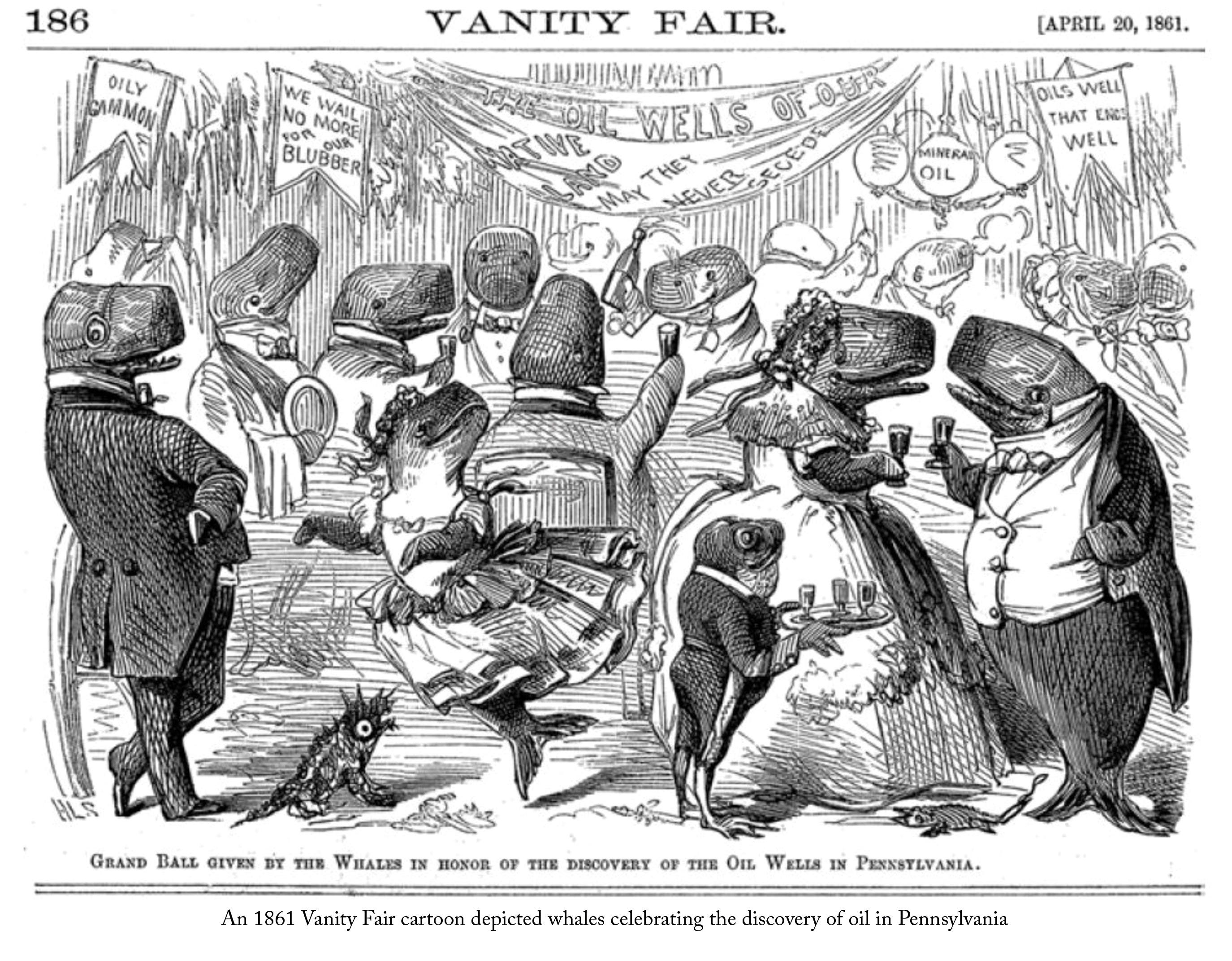
Added to which, the term game is host to a number of different meanings that on the face of it have nothing in common with each other. Amongst others, game can mean wild animals that are hunted for sport or food. It can also mean a condition of a leg when someone is lame or injured, causing them to limp. Interestingly, despite this seemingly bizarre diversity, according to Brian Sutton-Smith, it is thought that these definitions of ‘game’ evolved from the same Indo-European root, ghem, - ‘to leap joyfully, to spring’. In his seminal work, The Study of Games (1971), Sutton-Smith talks about the transformations ghem went through in a number of other Indo-European languages. For example, the word for hockey stick, commock, derived from the Celtic, cam, which itself was a variation of ghem. And, ghems became gems in Old Norse, which meant to come together and congregate as a school of whales do, and has ended up meaning a social visit at sea, apparently.
I digress: but even when sticking to English and the usage of the word game that involves play, we are still left asking what are games? Are they things in the sense of artefacts? Are they behavioural models, or simulations of social situations? Are they vestiges of ancient rituals, or magical rites?
Well, yes, they are – all of the above - and much more besides.
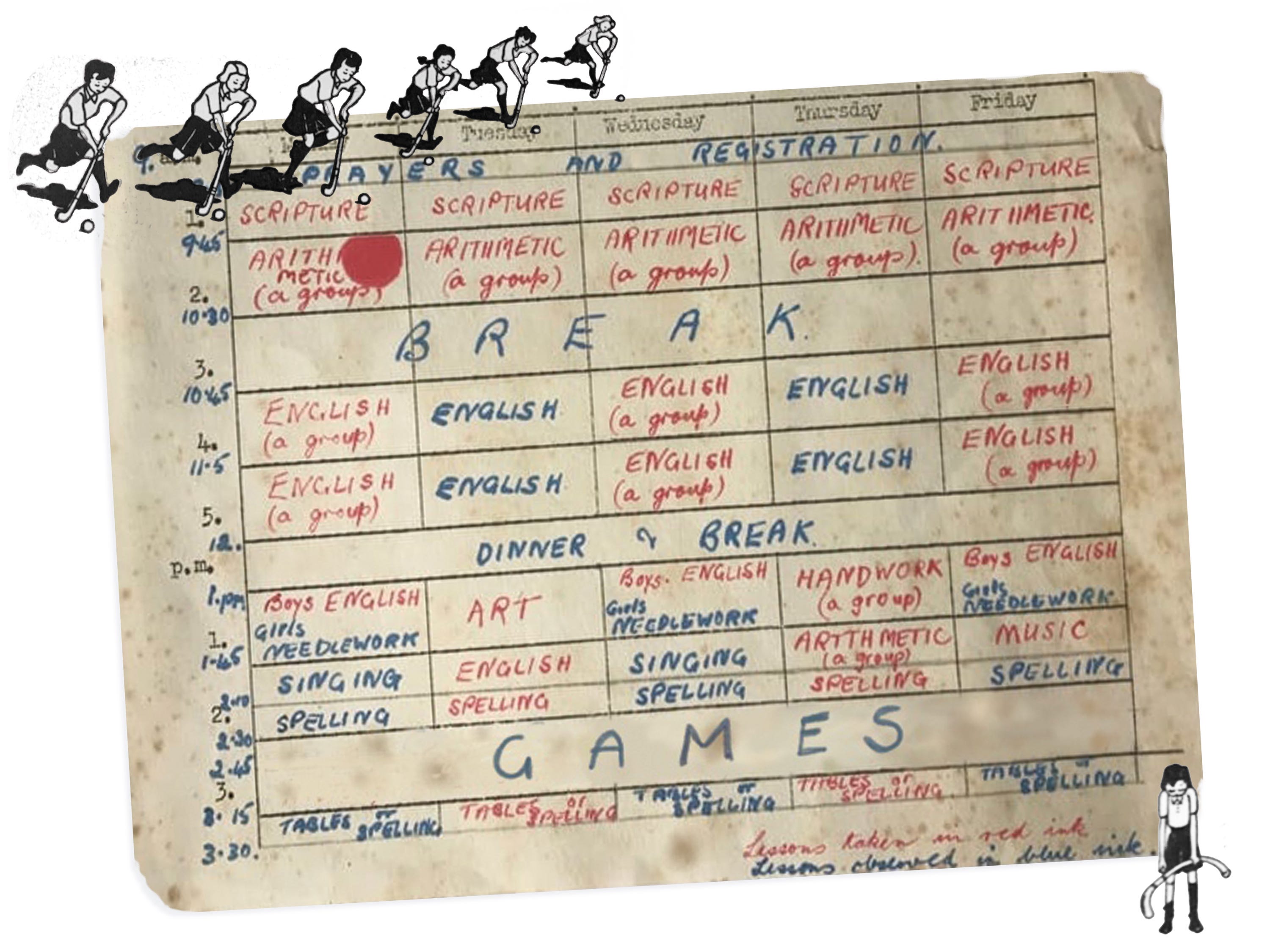
After all, the term game is used by children and adults with leisure and recreative intent: professional athletes and sports players play games for work; military strategists and business executives play games as serious logistical and tactical exercises; anthropologists and folklorists suggest games are cultural forms; psychiatrists play games with their clients as diagnostic procedures; for educators, game play is considered a useful conduit for curriculum material; for TV channels, game shows provide cheap programme content, and for my generation, when we were young, G A M E S scrawled in your school time-table either filled you with delight, or dread, as in my case, depending on your prowess, or lack thereof, on the tennis court or the hockey, football, cricket or rugby pitch.
No wonder finding a definition has proved elusive. Neither scholars of play, nor academics working in the growing field of ludology (who study games and the act of playing them and the players and cultures surrounding them), nor professional designers of games (such as I), can agree what games are.
One such scholar-practitioner, Greg Costikyan, the award-winning games designer and author of Uncertainty in Games (2013), suggests that game is the term we apply to simple play that has been made complex by human culture. Just as novels and movies are artistic forms that derive from the human impulse to tell stories, and music is the artistic form that derives from our pleasure in sound, so ‘game’ is the artistic form that derives from our impulse to play.
For a while now, there has been a somewhat esoteric battle of words quietly raging between ludologists, with on the one hand, those that frame games as user-generated play, and on the other, those who define games as designed systems of rules.
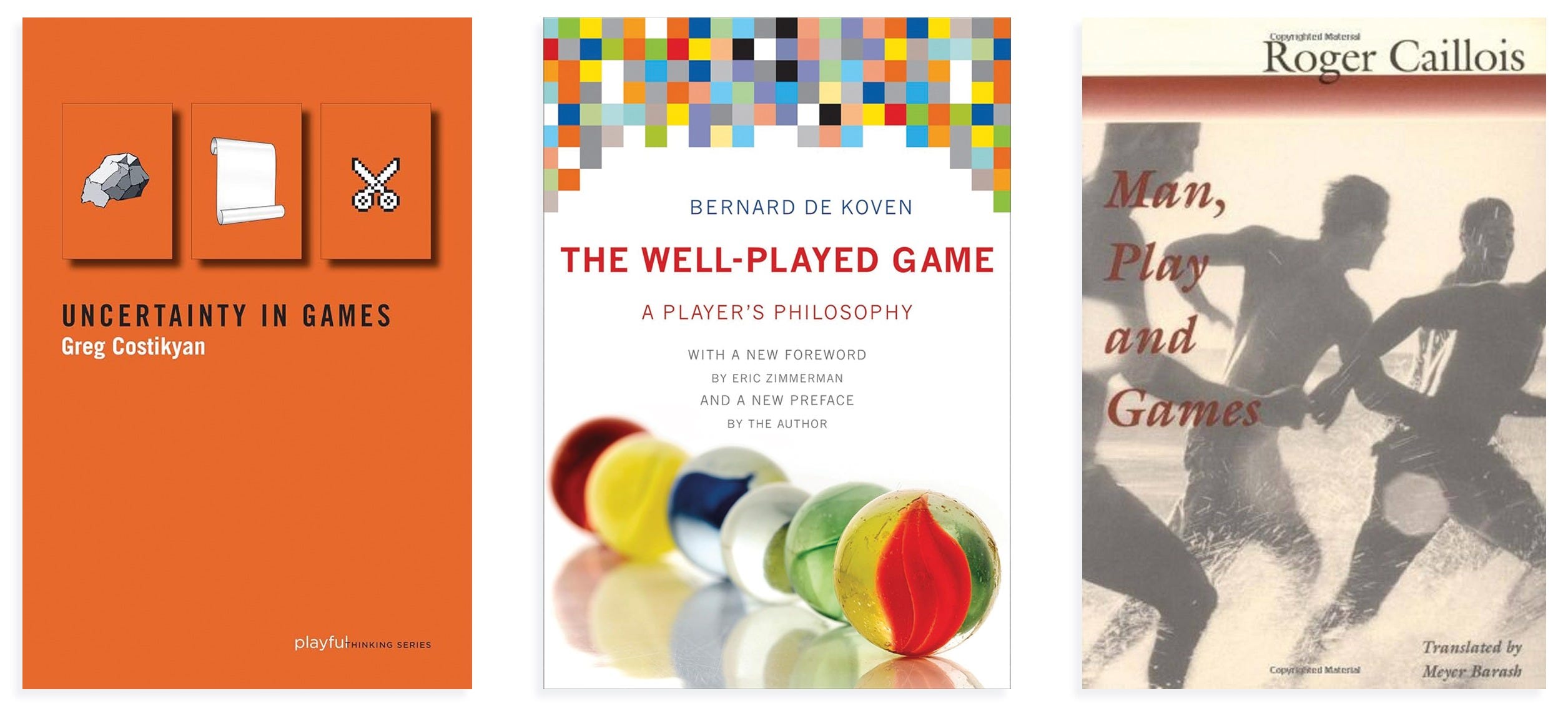
Bernard de Koven, games guru and author of The Well-Played Game, A Player’s Philosophy (1978), possibly hoping to settle this ludic tussle claims there is no such play vs games dichotomy– ‘There is only the deep mystery of their paradoxical union. The purposeful drive to win existing with the purposelessness of playing for the sake of play.’ While I find this poetic and even quite profound, I rather fear this takes us no closer to a definition of game.
Perhaps, as suggested by Ludwig Wittgenstein, philosopher of logic, mathematics, mind and language, there can be no single definition applicable to all games. In his Philosophical Investigations (1953), Wittgenstein introduces the notion of a ‘family resemblance’ to deal with certain problems in relation to language and meaning. Talking of games and what they seem to have in common, he points out that there are no common features (or no common feature) in virtue of which we call all games ‘games’. Instead there are, he claims, many different similarities and relationships; he says ‘we see a complicated network of similarities overlapping and criss-crossing: sometimes overall similarities, sometimes similarities of detail’. He then goes on to add: ‘I can think of no better expression to characterise these similarities than “family resemblances”; for the various resemblances between members of a family: build, features, colour of eyes, gait, temperament, etcetera overlap and criss-cross in the same way.’
This could explain why most ‘experts’ often give up on trying to define game and resort to listing what they consider the essential properties of play, before providing a typology of the different forms of play, from which we each can pick and mix to create our very own idea of game.
Thus, we have the French philosopher and sociologist, Roger Caillois, author of Les jeux et les hommes (1958), who makes no clear distinction between games and play (perhaps because there is none in the French language? NB the English translation of this still key work is Man, Play and Games). Instead, he offers a characterization of the nature of play – in particular that play is not play unless it is voluntary, and that all play involves uncertainty – and suggests that there are essentially two forms of play that he calls paidia, (Greek: education or learning), which he uses to mean free play unencumbered by rules, and ludus (Latin: play, sport, game, training) which he uses to mean rules-bound play.
Costikyan, who otherwise admires Caillois, but prefers to ‘avoid obscurantism’, suggests that ‘simple play’ and ‘game’ will suffice as terms in place of paidia and ludus. Yet even he struggles to find a simple definition for game that works for everything we call game, and resorts to analysing games by type.
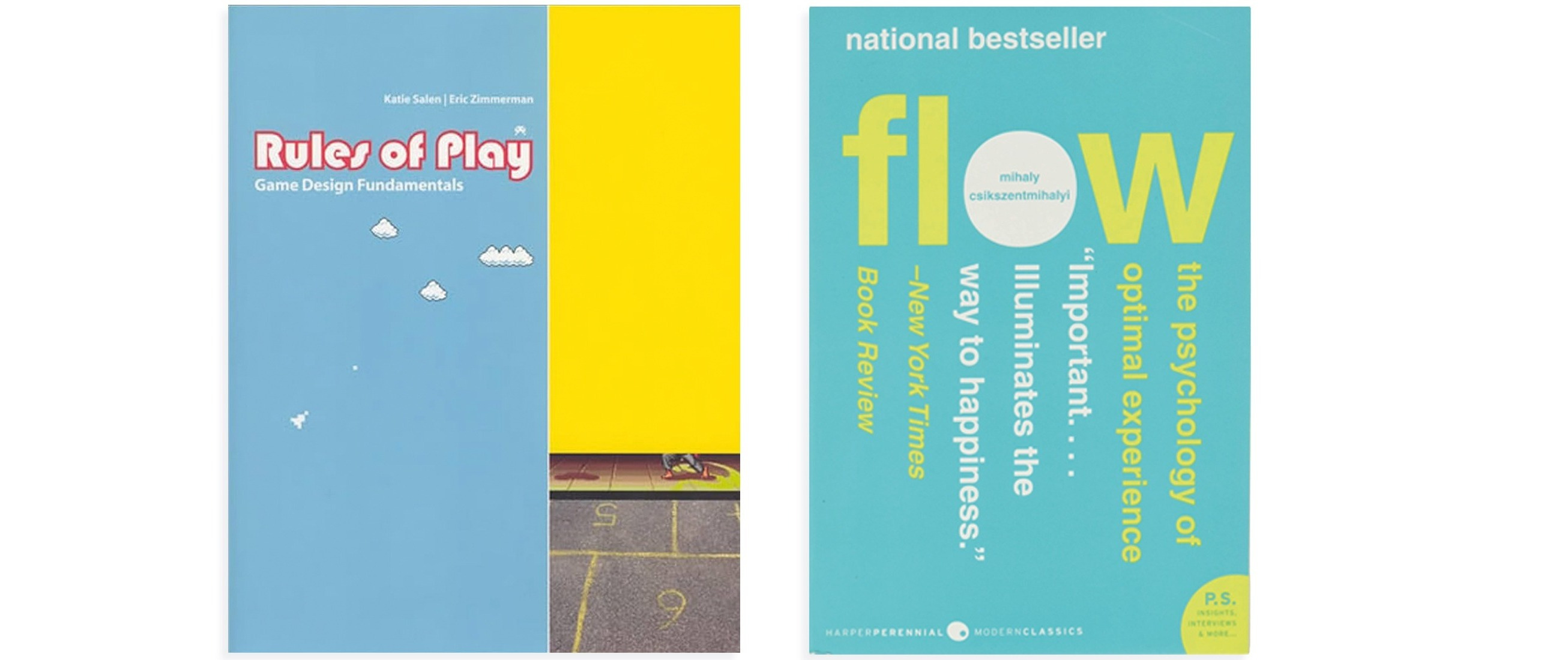
Katie Salen and Eric Zimmerman, authors of the seminal study on game design Rules of Play: Game Design Fundamentals (2003), are bold enough to attempt a definition of game, which is as follows: ‘A game is a system in which players engage in an artificial conflict, defined by rules, that results in a quantifiable outcome.’ But then they water this down by adding that ‘any definition of a phenomena as complex as games is going to encounter instances where the application of the definition is somewhat fuzzy,’ for example, puzzles (which have pre-determined solutions) and role-playing games, most of which, as in the case of say, Dungeons and Dragons or World of Warcraft, have no end and therefore no ‘quantifiable outcome’.
Brian Sutton-Smith, in his forward to The Study of Games (1971) acknowledges the problem of embarking on a serious scholarly study of a subject matter that each person could define their own way. He suggests that at its most elementary level, ‘game’ could be defined as ‘an exercise of voluntary control systems in which there is an opposition between forces, confined by a procedure and rules in order to produce a disequilibrial outcome.’ However, he, too, admits that such a loose definition allows the term game to be used for too wide a variety of activities.
Jesper Juul , a video game theorist, developer and professor in the design school at the royal Danish academy of fine arts, has proposed a definition of game by listing six features that he believes necessary and sufficient for something to be considered a game. A game is a rule-based formal system with a variable and quantifiable outcome, where different outcomes are assigned different values, the player exerts effort in order to influence the outcome, the player feels attached to the outcome, and the consequences of the activity are optional and negotiable. He adds that while computer games are part of the broader area of games, they have in many cases evolved beyond this classic game model.
It is interesting to note that neither Salen & Zimmerman, nor Juul suggest that by definition a game involves uncertainty and that playing games should be voluntary - both essential characteristics of play, according to Caillois.
So, we’re back at the beginning. We say that we play games, but do we? Are we always playing when we take part in a game? This all rather depends on what we mean by play.
Rather than continue to run around in circles, I propose to follow the lead of the Hungarian-American psychologist, Mihaly Csikszentmihalyi, best known as the architect of the concept of flow. In his book, Flow: The psychology of optimal experience (1990) Csikszentmihalyi describes ‘flow’ as a state of optimal performance, in which one is so completely absorbed in a challenging but doable task that nothing else seems to matter.
Csikszentmihalyi’s interest in play and games derived from the fact that he believed that, while play is not synonymous with flow (or vice versa), the most typical kind of flow experience is play. And that, because (in his opinion) the most typical kind of play activity is to be found in games, investigating existing formal games (pre-packaged play?) could be the means to understanding the nature of play itself.
MC suggests that this analysis may be done best by considering three categories of games; skill, strategy and chance. Although requiring different abilities or aptitudes, he would argue that all games share structural characteristics that provide the opportunity for the player to experience the play-state that he likens to flow.
Whilst I propose to broaden the concept of ‘game’ to enable Boundless Play to include such topics as the Olympic Games, Roman Games, various sports, and miscellaneous quiz shows, this idea of investigating or ‘reverse engineering’ existing games greatly appeals. It will be interesting to discover if such an exploration of games, which by their very nature require Play to be Bound by rules, will take us any closer to understanding the Boundless nature of Play.
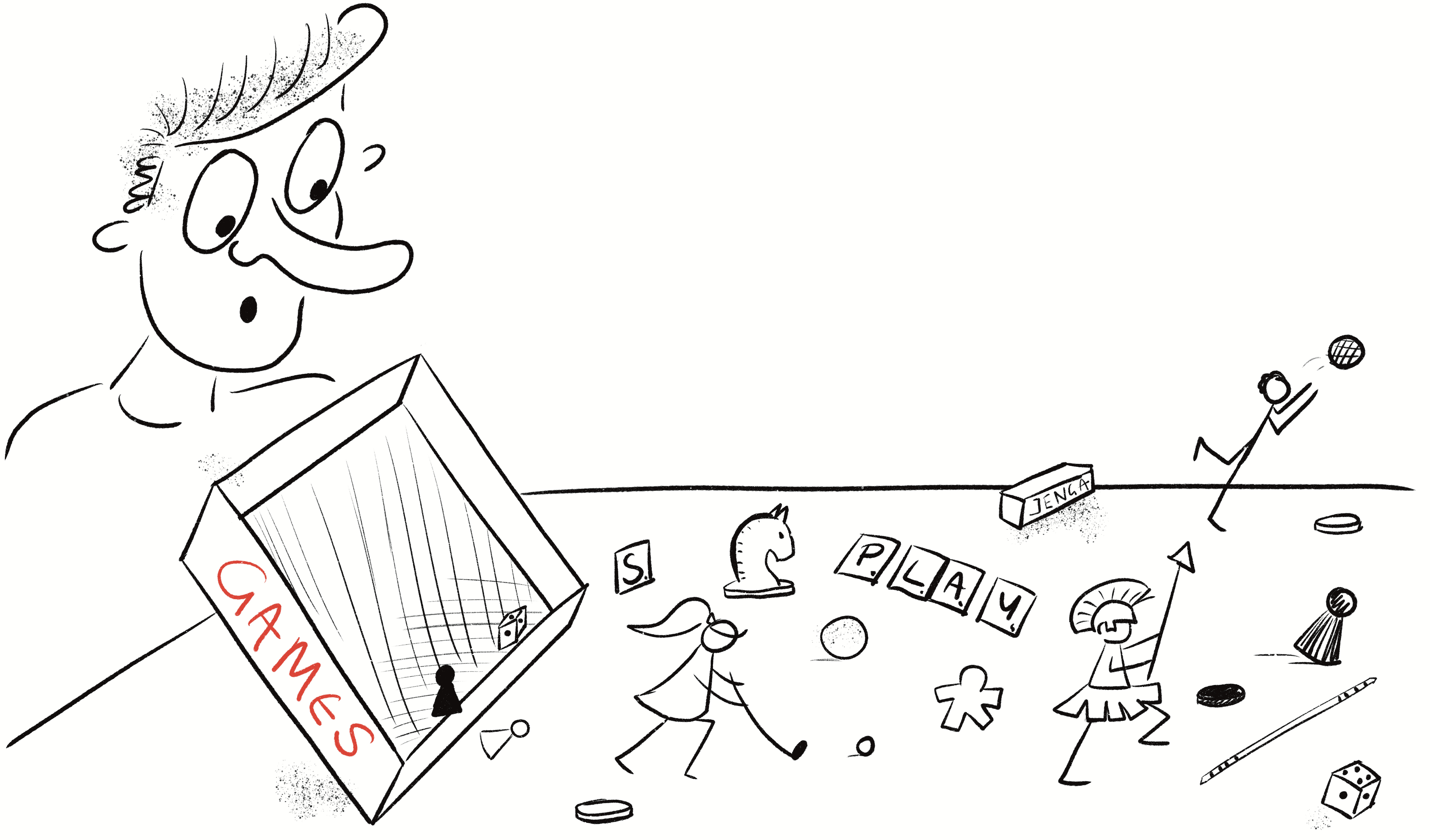
My favorite use of "game" (other than the obvious) is as a synonym for "willing." If "I'm game," then I'm open. That anticipatory state of being amenable to what happens next is what we've somehow lost. Thank you for another great reflection, Leslie!
Another meaning of 'game' to add to the list is 'a collective noun for swans'. (Other collective nouns for swans are available). A game of swans probably dates back to some 15th century book of courtesy. It may be in the future that 'game' is applied as a collective noun for thrones too.